
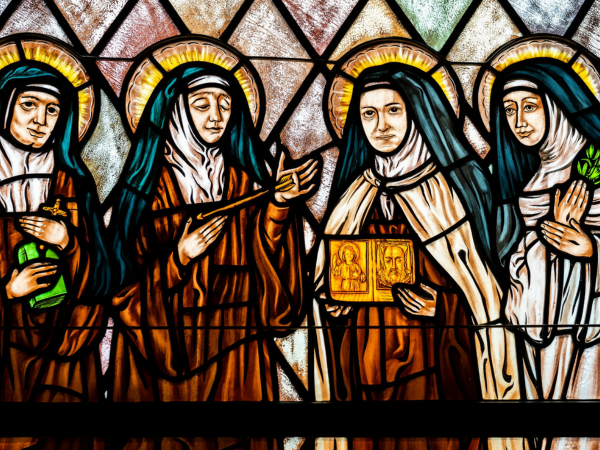
EACH YEAR, ON Nov. 1, the Solemnity of All Saints, the Church gives thanks for the countless saints who allowed Christ to live His life through them in the unique circumstances of their lives. It is also a reminder that all the baptized are called to holiness and sent into the world as Christ’s witnesses.
The Second Vatican Council in Lumen Gentium teaches that the universal call to holiness is the vocation and mission of every member of the Church. Holiness is possible, with God’s grace, at all stages and in all states of life. For most Catholics, the call to holiness is lived directly in the world. By entering our human realities, Jesus assured us that He is present and waiting to meet us in all of our human experiences. Therefore, family life, work, friendships, leisure, suffering and service are equally conducive to sanctifying ourselves and the world.
However, holiness cannot remain in the vertical dimension of one’s personal relationship with God. Personal holiness is a total response of love to God’s infinite love. Every saint grew in holiness as they came to understand how God loved them. The love of God overflowed in the saints’ lives and bore fruit in their relationships with others. The horizontal relationship with our brothers and sisters in the world is the testing ground of holiness. The call to communion with Christ cannot be separated from our call to be in communion with others. The missionary dimension of holiness finds its source in the Eucharist, where we receive God’s love. At every Mass, Christ calls us to be united with Him and to offer ourselves to the Father, with our weaknesses, burdens, desires and offerings of love. We are nourished by the Word of God and the Body of Christ, drawn into deeper communion with God, and equipped for the mission of being His witnesses in the world.
At the end of each Mass, we are commissioned. “Go forth, the Mass is ended.” This is not simply a dismissal. Instead, it is meant to light a fire in our hearts so that we burn with the love of God. Having received Christ, we are sent to sanctify the world with our lives and to make Him present especially for our brothers and sisters who have yet to meet Him.
As Catholics, we are called to integrate the beliefs we profess in the Creed and the offering of our hearts in the Offertory Offertory at the Sunday Mass into every aspect of our daily lives. “Ordinary life” is the mission field of the laity and where we are called to be available to be sent in Christ’s name.
As important as parish ministry is for building the Kingdom of God, we, the laity, must first respond to our call to be faithful where we are sent and to bring Christ’s light into daily circumstances. Parents are sent home to raise children who know and love God. Teachers are sent to their schools to be God’s patient presence to students. Doctors are sent to be the healing hands of Christ. Civic leaders are sent to make choices that protect the dignity of the human person and the common good. Business professionals are sent to serve society by offering just wages and making ethical decisions. In a sense, we are not called to be Catholics only on Sunday and then live our lives as we wish the rest of the week.
Instead, we are called to let the Eucharist be the source and summit of our daily activity as we strive to live holy lives, thereby sanctifying the world. Our worship on Sunday is meant to send us out into the world as Christ’s witnesses every day of the week until we are called back again the following Sunday to offer the fruits of our labor and return to the Father all that has been lived, suffered and received. We can be confident that the saints are interceding for us as we go on mission this new week, encouraging us to embrace our call to holiness and live Christ’s life in the world.